I love reviewing books but sometimes the pace of reading them can feel like that classic I Love Lucy episode at the chocolate factory. The conveyer belt speeds up and the books keep coming along faster than they can be “wrapped” in a review. Summer gives me a chance to catch up with some good books that whizzed by in spring.
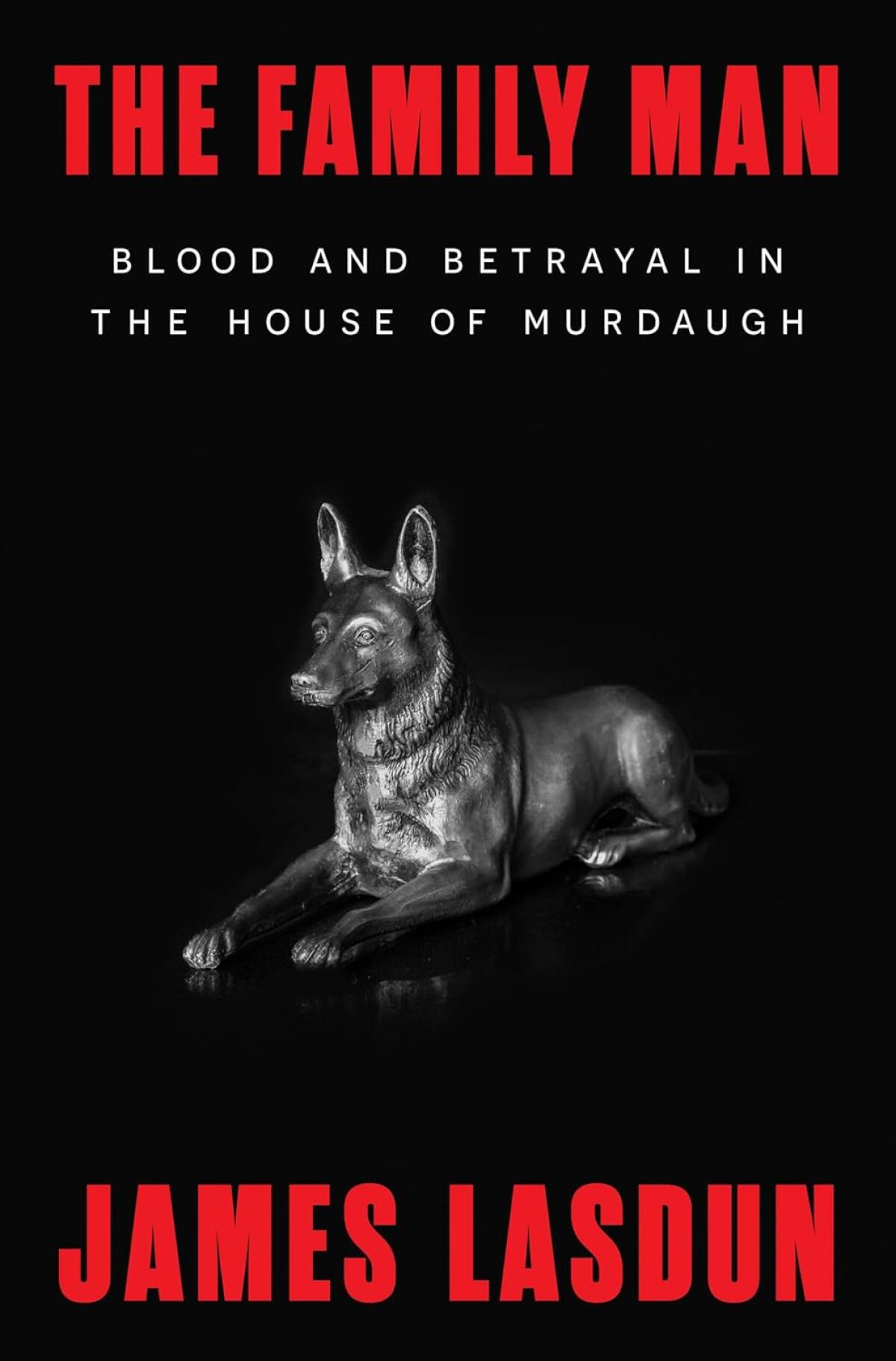
James Lasdun’s The Family Man: Blood and Betrayal in the House of Murdaugh came out the first week of May, which is when I read it. This nonfiction book, which grew out of a piece Lasdun wrote for The New Yorker, is about the investigation and conviction of prominent South Carolina lawyer Alex Murdaugh for the 2021 murders of his wife and adult son.
Then came the real-life plot twist: A little over a week after Lasdun’s book was published, Murdaugh’s conviction was overturned because of jury tampering. A retrial is being scheduled. Rather than rendering The Family Man obsolete, this new twist intensifies the miasma of stories that swirl around the Murdaugh case — including suspicious deaths and embezzlement.
Lasdun is a “true crime” writer in the reflective mold of his late New Yorker colleague Janet Malcolm. Although investigating the double murder case drives this narrative, Lasdun is most interested in exploring the ultimate unsolvable mystery: the mystery of evil.
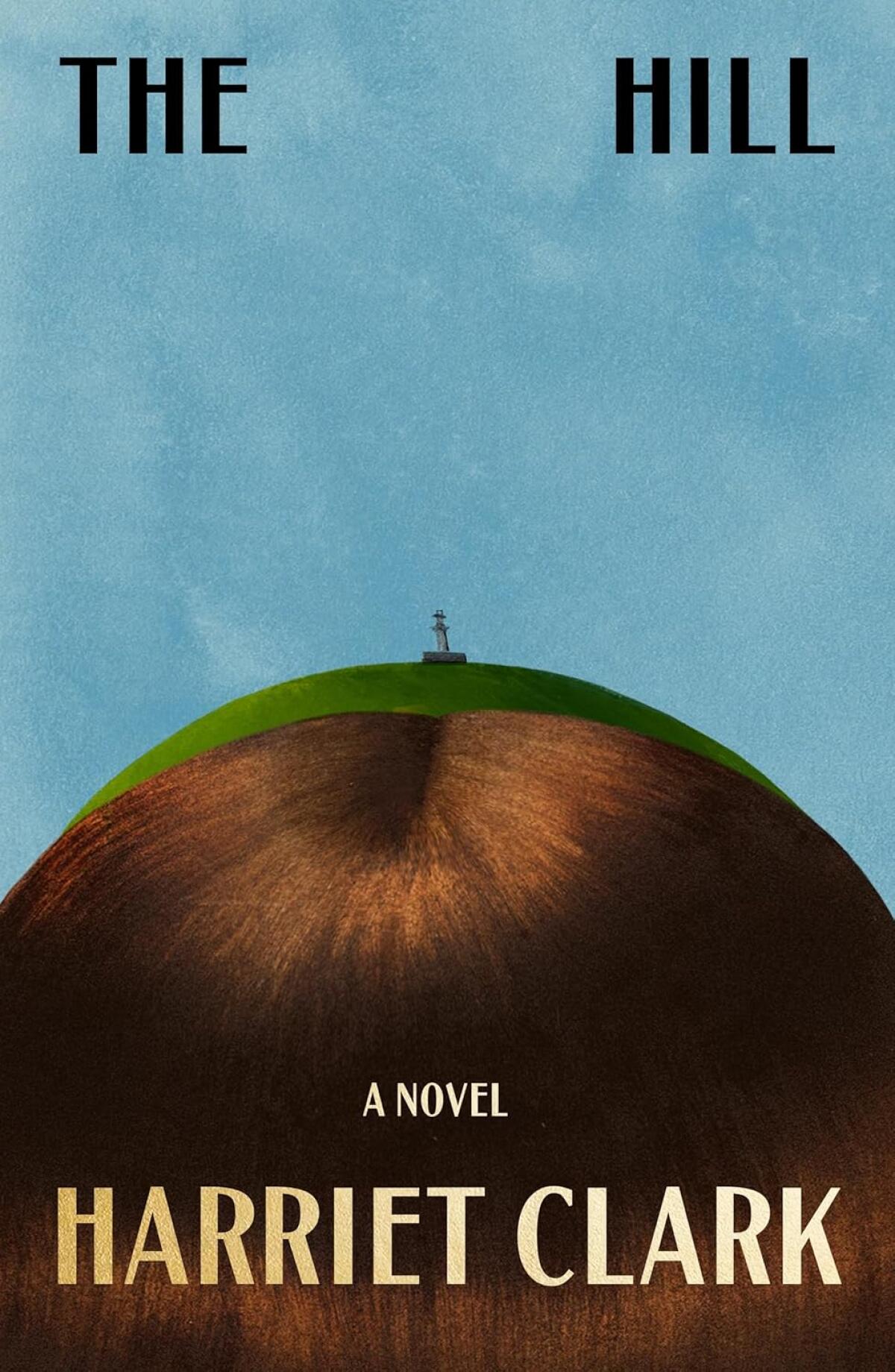
Harriet Clark’s debut novel, The Hill, which came out in May, has been getting tons of deserved praise. The novel draws explicitly from Clark’s own background: Born in 1980, Clark was 11 months old when her mother, a member of the radical Weather Underground, was arrested and sentenced for her involvement in a Brinks armored truck robbery that resulted in the deaths of three men. Clark’s maternal grandparents got custody and she visited her mother in prison for almost 40 years, before she was paroled in 2019.
Clark’s main character, Suzanna, is 8 when the story begins and living with her grandparents, former members of the American Communist Party. The plot here is a marvel of sustained claustrophobic stasis. Every week, Suzanna is taken — first by her grandfather, then by a nun, then on her own — to visit her mother at the Children’s Center in Hillcrest prison. Suzanna’s voice charges this novel with intelligence:
Each week … my mother fixed and re-fixed my hair. I slept and didn’t sleep, . … Around us women counted down to release, but my mother and I had been released from countdowns. No reason to look forward, no interest in looking back, we were, as I saw it, free of the past and free of the future. Carnival Day, Friendship Day, Birthday Day — the holidays in the Center followed their own lilting rhythms, and eventually we submitted again to the lull and pleasures of our timeless life.
All the while I was reading The Hill, I kept thinking of E.L. Doctorow’s The Book of Daniel, inspired by the Rosenberg case. The two novels differ in scope, but like Doctorow, Clark interrogates the cost of parents’ radical commitment to their children, as well as how the world itself shifts radically, from generation to generation.
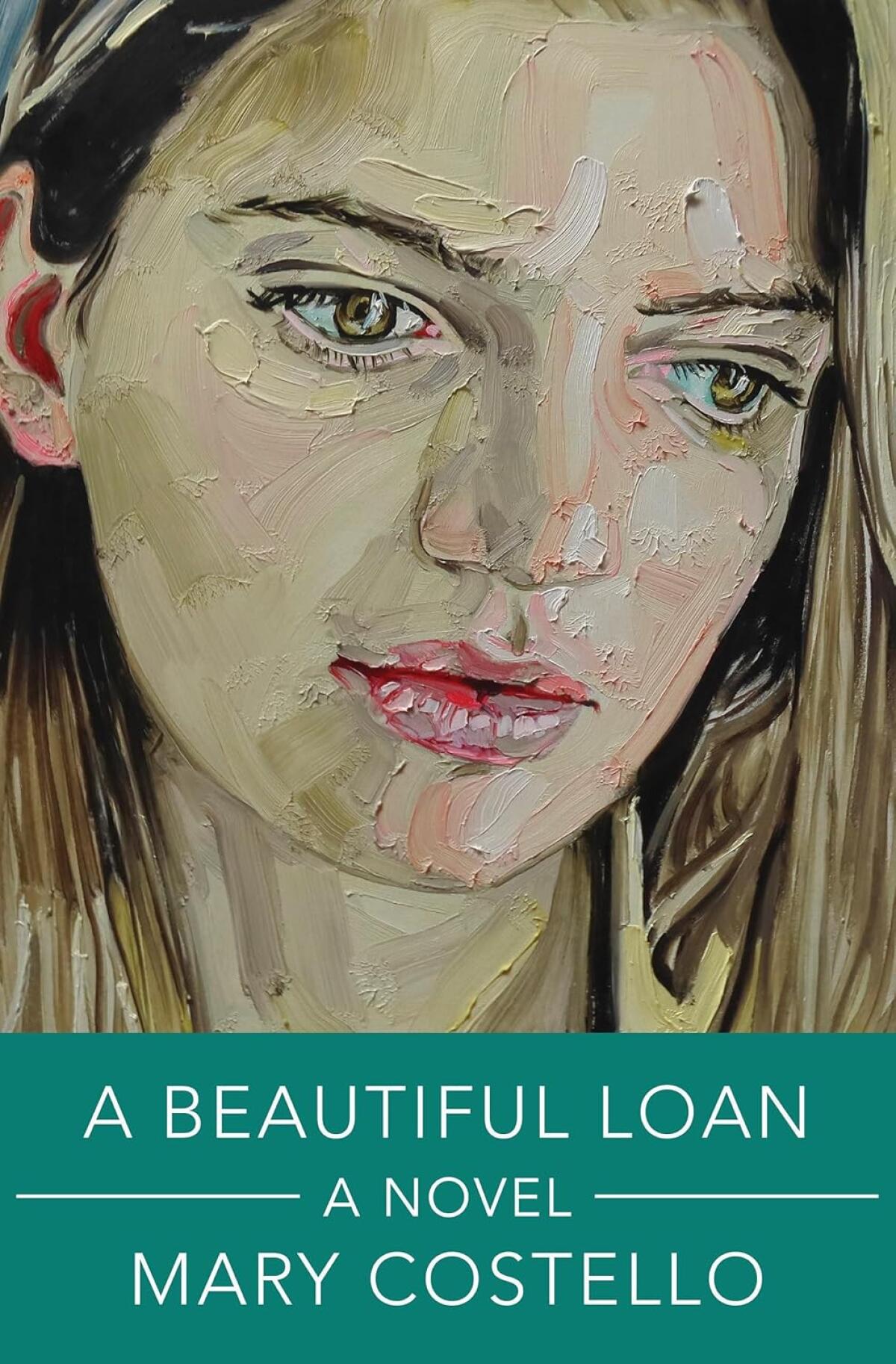
Sometimes I put aside a good book for a bad reason. Mary Costello’s slim novel, A Beautiful Loan, touted as a devastating story about relationships, came out in March. “No,” I thought back then, “not another ersatz Sally Rooney in time for St. Patrick’s Day.”
But, one empty afternoon, I picked it up and kept reading, mostly because the present-tense narration of the main character, Anna, struck me as so weird in tone. Her deadened voice was at odds with her emotional turbulence. Here’s 19-year-old Anna summarizing how Paul, an elusive older man she’ll eventually marry, keeps her in thrall to what she calls “this oscillating life”:
In the middle of the night, … he rises on one elbow in the bed beside me and, in an urgent, desperate voice, says, I love you. In the morning, he makes no reference to this, and I think he must have spoken in his sleep. Never again in our lives together will he say those three words.
A Beautiful Loan spans 25 years and Anna’s obsessive devotion to two men, one dog, the writings of Camus and Jung, and the practice of Islam. Like the other two books I’ve caught up with here, it may not be the ideal “beach read,” but it would be perfect for a wash-out of a summer weekend.
Transcript:
TONYA MOSLEY, HOST:
This is FRESH AIR. For our book critic, Maureen Corrigan, summer reading sometimes means catching up on the books she missed earlier in the year. Here’s her short roundup of some spring books.
MAUREEN CORRIGAN, BYLINE: I love reviewing books. But sometimes the pace of reading them can feel like that classic “I Love Lucy” episode at the chocolate factory. The conveyor belt speeds up, and the books keep coming along faster than they can be wrapped in a review. Summer gives me a chance to catch up with some good books that whizzed by in spring. James Lasdun’s “The Family Man” came out the first week of May, which is when I read it. This nonfiction book, which grew out of a piece Lasdun wrote for The New Yorker, is about the investigation and conviction of prominent South Carolina lawyer Alex Murdaugh for the 2021 murders of his wife and adult son.
Then came the real-life plot twist. A little over a week after Lasdun’s book was published, Murdaugh’s conviction was overturned because of jury tampering. A retrial is being scheduled. Rather than rendering “The Family Man” obsolete, this new twist intensifies the miasma of stories that swirl around the Murdaugh case, including suspicious deaths and embezzlement. Lasdun is a true crime writer in the reflective mold of his late New Yorker colleague, Janet Malcolm. Although investigating the double murder case drives this narrative, Lasdun is most interested in exploring the ultimate unsolvable mystery, the mystery of evil.
Harriet Clark’s debut novel, “The Hill, “which came out in May, has been getting tons of deserved praise. The novel draws explicitly from Clark’s own background. Born in 1980, Clark was 11 months old when her mother, a member of the radical Weather Underground, was arrested and sentenced for her involvement in a Brinks armored truck robbery that resulted in the deaths of three men. Clark’s maternal grandparents got custody. And she visited her mother in prison for almost 40 years before she was paroled in 2019.
Clark’s main character, Suzanna, is 8 when the story begins and living with her grandparents, former members of the American Communist Party. The plot here is a marvel of sustained, claustrophobic stasis. Every week, Suzanna is taken first by her grandfather, then by a nun, then on her own, to visit her mother in the children’s center in Hillcrest Prison. Suzanna’s voice charges this novel with intelligence. Listen.
(Reading) Each week, my mother fixed and refixed my hair. I slept and didn’t sleep. Around us, women counted down to release, but my mother and I had been released from countdowns, no reason to look forward, no interest in looking back. We were, as I saw it, free of the past and free of the future. Carnival day, friendship day, birthday day, the holidays followed their own lilting rhythms. And eventually, we submitted again to the lull and pleasures of our timeless life.
All the while I was reading “The Hill,” I kept thinking of E. L. Doctorow’s “The Book Of Daniel,” inspired by the Rosenberg case. The two novels differ in scope, but like Doctorow, Clark interrogates the cost of parents’ radical commitment on their children, as well as how the world itself shifts radically from generation to generation.
Sometimes I put aside a good book for a bad reason. Mary Costello’s slim novel, “A Beautiful Loan,” touted as a devastating story about relationships, came out in March. No, I thought back then, not another ersatz Sally Rooney in time for St. Patrick’s Day, but one empty afternoon, I picked it up and kept reading, mostly because the present tense narration of the main character, Anna, struck me as so weird in tone. Her deadened voice was at odds with her emotional turbulence. Here’s 19-year-old Anna, summarizing how Paul, an elusive older man she’ll eventually marry, keeps her enthralled to what she calls this oscilating life.
(Reading) In the middle of the night, he rises on one elbow in the bed beside me and in an urgent, desperate voice, says, I love you. In the morning, he makes no reference to this, and I think he must have spoken in his sleep. Never again in our lives together will he say those three words.
“A Beautiful Loan” spans 25 years and Anna’s obsessive devotion to two men, one dog, the writings of Camus and Jung and the practice of Islam. Like the other two books I’ve caught up with here, it may not be the ideal beach read but it would be perfect for a washout of a summer weekend.
MOSLEY: Maureen Corrigan is a professor of literature at Georgetown University. She reviewed “The Family Man” by James Lasdun, “The Hill” by Harriet Clark and “A Beautiful Loan” by Mary Costello.
Tomorrow on FRESH AIR, as we approach America’s 250th birthday, writer Jesse Wegman tells the forgotten story of James Wilson, a brilliant 18th century lawyer who played a critical role in crafting the Constitution, pushing for a strong federal government and the direct election of lawmakers. Wegman’s book is “The Lost Founder.” I hope you can join us. To keep up with what’s on the show and get highlights of our interviews, follow us on Instagram – @NPRFreshAir.
(SOUNDBITE OF MUSIC)
MOSLEY: FRESH AIR’s executive producer is Sam Briger. Our technical director and engineer is Audrey Bentham. Our interviews and reviews are produced and edited by Phyllis Myers, Ann Marie Baldonado, Lauren Krenzel, Therese Madden, Monique Nazareth, Thea Chaloner, Susan Nyakundi, Anna Bauman and Nico Gonzalez-Wisler. Our digital media producer is Molly Seavy-Nesper. Roberta Shorrock directs the show. With Terry Gross, I’m Tanya Mosley.
(SOUNDBITE OF MUSIC)